Indoor air quality has a direct impact on daily comfort, sleep, concentration, and long-term respiratory health. Yet many households still rely on guesswork to decide whether the air inside is clean, too dry, too humid, or carrying pollutants that may affect well-being. Creating a simple home air quality monitoring setup is one of the most practical ways to understand what is happening in your living space and make informed decisions about ventilation, cleaning, filtration, and humidity control.
A basic home air quality monitoring system does not need to be expensive or complicated. With the right mix of devices, placement strategy, and routine checks, you can track the most important indoor air quality indicators and reduce common triggers such as dust, mold risk, VOCs, carbon dioxide buildup, and fine particulate matter. This approach is especially useful for families with children, allergy sufferers, pet owners, remote workers, and anyone who spends long hours indoors.
Why Indoor Air Quality Monitoring Matters
Most people focus on outdoor pollution, but indoor air can often be more challenging to manage because contaminants become trapped. Cooking fumes, cleaning products, pet dander, tobacco smoke, dust, building materials, and even human activity can all influence indoor air quality. Poor ventilation may allow carbon dioxide to rise, while high humidity can encourage mold growth and dust mites. At the same time, dry air can irritate the throat, nose, and skin.
Monitoring helps you identify patterns instead of reacting to symptoms. If headaches, allergies, or sleep issues seem worse at certain times of day, indoor air data can reveal whether the problem is linked to poor ventilation, high particulate levels, or elevated humidity. For people looking to create a healthier home environment, air quality monitoring provides a practical starting point.
Key Metrics to Track in a Simple Home Setup
A simple air quality monitoring setup should focus on a few core measurements rather than trying to capture every possible pollutant. The most useful indicators are typically particulate matter, carbon dioxide, humidity, temperature, and volatile organic compounds.
-
PM2.5 and PM10: Fine particles from cooking, candles, dust, smoke, and outdoor pollution entering the home. PM2.5 is especially important because small particles can penetrate deep into the lungs.
-
Carbon dioxide (CO2): A useful proxy for ventilation quality. Rising CO2 levels often mean a room needs fresh air, especially in bedrooms, offices, and small enclosed spaces.
-
Relative humidity: Helps prevent overly dry air and reduce conditions that support mold and dust mites.
-
Temperature: Important for comfort and can influence humidity and sleep quality.
-
VOCs: Volatile organic compounds released by paints, furniture, cleaning agents, fragrances, and some household products.
Depending on your budget, you can also look for sensors that measure formaldehyde, ozone, or specific gas levels, but for most homes the core indicators above are enough to create a useful air quality monitoring routine.
Choosing the Right Air Quality Monitor
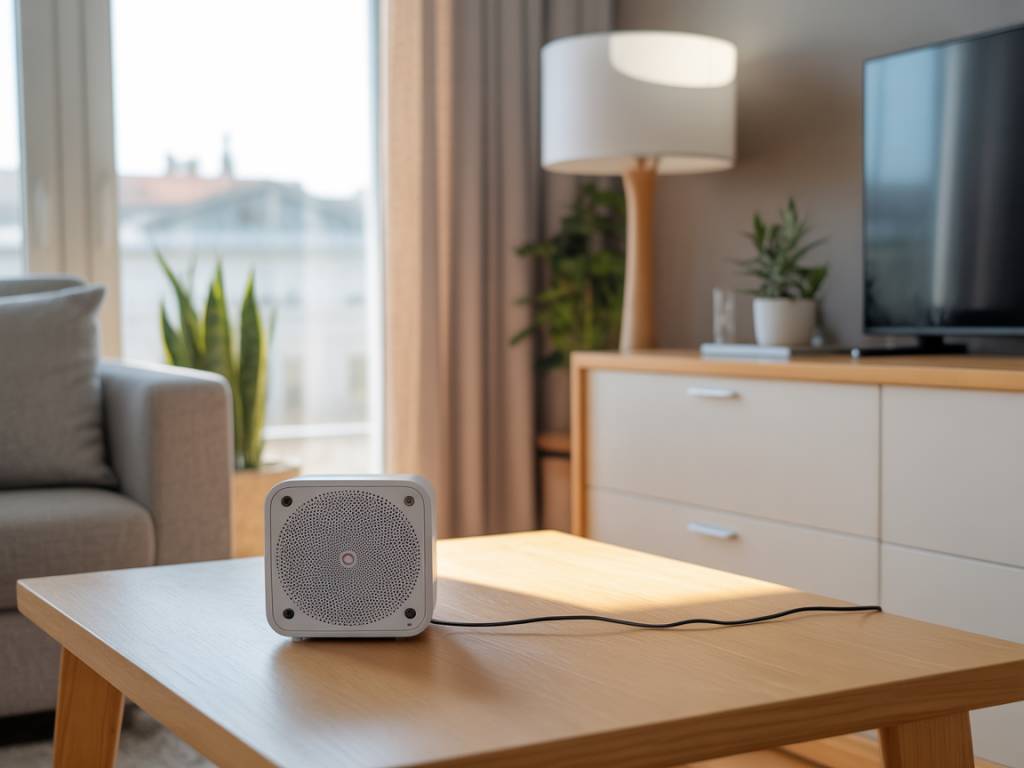
The easiest way to start is with an all-in-one indoor air quality monitor. These devices combine several sensors in one unit and display readings on a screen or smartphone app. When comparing models, look for accuracy, sensor transparency, app quality, and historical data tracking rather than flashy design alone.
For a simple setup, prioritize a monitor that measures PM2.5, CO2, humidity, temperature, and VOCs. A device with clear alerts can help you respond quickly when levels move outside a healthy range. If you want to monitor more than one room, consider starting with one portable monitor and moving it between key spaces, or adding a second unit later for bedrooms or home offices.
It is also worth checking whether the device uses laser particle sensing for PM2.5 and non-dispersive infrared technology for CO2, as these methods are commonly associated with better performance in consumer-grade monitors. A simple home air quality setup should be easy to read, easy to maintain, and reliable enough to guide everyday decisions.
Where to Place Air Quality Monitors
Placement has a major impact on how accurate your readings will be. A monitor placed too close to a window, air purifier, humidifier, kitchen, or bathroom may show values that reflect a local condition rather than the overall room. The goal is to measure the air people actually breathe in normal use.
For the best results, place monitors at breathing height, away from direct sunlight, vents, and corners. Bedrooms, living rooms, and home offices are usually the most valuable locations because these are the rooms where people spend the most time. Kitchens can also be useful if you frequently cook with gas, fry foods, or use scented products.
-
Place the monitor at least a few feet away from windows and doors.
-
Avoid putting it directly beside humidifiers, dehumidifiers, or air purifiers.
-
Keep it away from stovetops, candles, and other immediate pollution sources unless you want to measure those events specifically.
-
Position it at about chest height for a better estimate of breathing-zone air.
Building a Simple Monitoring Routine
A home air quality monitor becomes more useful when you check it regularly and notice patterns. Rather than looking at random readings once in a while, create a routine that matches your daily habits. This makes it easier to identify what affects indoor air quality and which changes improve it.
Check the monitor in the morning, after cooking, during cleaning, and before bed. If you work from home, monitor the air in your office during long sessions, especially if the room has limited ventilation. You may notice that CO2 rises in closed rooms during the afternoon or that PM2.5 spikes when using the stove or vacuuming.
Keeping a simple log can help you connect readings to real-life actions. For example, record when you cook, open windows, run the HVAC system, use a humidifier, or apply cleaning sprays. Over time, this creates a practical indoor air quality profile for your home.
How to Respond to Common Air Quality Issues
Monitoring is only helpful if it leads to action. Once you understand your readings, you can make targeted improvements without overreacting. Each metric points to different adjustments in the home.
-
High PM2.5: Increase ventilation, use a HEPA air purifier, clean dust regularly, and reduce smoke or candle use.
-
High CO2: Open windows when possible, use exhaust fans, and improve airflow in bedrooms and workspaces.
-
High humidity: Use a dehumidifier, fix leaks, improve bathroom ventilation, and avoid drying clothes indoors without airflow.
-
Low humidity: Use a humidifier carefully, especially in winter, and keep humidity within a comfortable range.
-
High VOCs: Reduce use of fragranced products, ventilate after painting or cleaning, and choose low-VOC household materials when possible.
A good target for relative humidity is often around 30% to 50%, though comfort preferences and local climate can influence the ideal range. If you are using an air purifier, look for a model with a true HEPA filter if your main concern is particulate matter. For VOCs and odors, activated carbon filtration can be useful, although the amount of carbon and the design of the purifier matter.
Using Air Quality Data to Improve Health
Air quality monitoring is not only about technology; it is about creating a healthier living environment. Cleaner air can support better sleep, reduce irritation, and lower exposure to common indoor triggers. For households with asthma or allergies, reducing particle levels and maintaining balanced humidity may make everyday symptoms easier to manage.
Data can also help you make smarter product choices. For example, if your monitor repeatedly shows VOC spikes after using a certain cleaning spray, you may decide to replace it with a fragrance-free alternative. If CO2 levels rise overnight in a bedroom, you might improve ventilation or crack a window slightly when weather allows. If cooking creates frequent PM2.5 peaks, you may use lids, run the range hood, or open a window during meal preparation.
Small improvements often add up. You do not need a complex whole-house system to make meaningful changes. A basic monitor, plus a few well-chosen habits, can reveal the most important air quality issues in your home and help you reduce unnecessary exposure.
Useful Accessories for a Better Setup
Depending on your home and budget, a few accessories can make your air quality monitoring setup more effective. These additions are not mandatory, but they can improve response time and make it easier to maintain healthy indoor conditions.
-
HEPA air purifier: Helps lower particulate matter from dust, smoke, and pet dander.
-
Dehumidifier: Useful in basements, bathrooms, or humid climates where mold risk is a concern.
-
Humidifier: Helpful in dry climates or during winter if indoor air becomes uncomfortably dry.
-
Exhaust fans: Especially important in kitchens and bathrooms to remove moisture and pollutants.
-
Smart plugs or automation tools: Can turn fans or purifiers on when readings cross a certain threshold.
If you prefer a low-maintenance approach, choose devices that can work automatically. For example, a smart air purifier that adjusts fan speed based on particle readings can reduce the need for manual intervention. Similarly, some monitors send alerts to your phone when CO2, PM2.5, or humidity levels exceed your preferred range.
What to Look for Before Buying
Before purchasing any air quality monitor or related product, it helps to think about how you will actually use it. A clear purpose will guide you toward the right features and prevent unnecessary spending. If your main concern is sleep quality, CO2 and humidity may matter most. If you live near traffic or cook often, PM2.5 tracking is especially important. If you recently renovated or bought new furniture, VOC monitoring could be valuable.
-
Choose a monitor with a clear display and easy-to-read app.
-
Look for historical charts and trend data, not just live numbers.
-
Check whether sensors are replaceable or recalibrated over time.
-
Consider whether you need one room or multiple-room coverage.
-
Read reviews that mention long-term reliability and sensor consistency.
For many households, a simple setup is enough to deliver real benefits. The best system is often the one you will check regularly and use to make practical changes. By combining a reliable monitor with thoughtful placement and a few ventilation and filtration habits, you can create a home environment that is easier to breathe in and more comfortable to live in.
Over time, this kind of monitoring turns indoor air from an invisible concern into something measurable and manageable. That visibility is often the first step toward healthier routines, better product choices, and a more comfortable home overall.