Why a Recovery-Focused Home Space Matters
Fitness culture often celebrates intense workouts, personal records, and constant progress. Yet lasting progress in training and mental wellbeing depends just as much on rest, recovery, and stress management. Creating a recovery-focused home space gives your body and mind a dedicated environment for slowing down, recharging, and integrating the benefits of exercise.
This kind of space does not have to be an entire room. A corner of your living room, a section of your bedroom, or a small balcony can become a restorative environment when it is thoughtfully organized. By intentionally designing a recovery zone at home, you support better sleep, lower stress levels, improved mobility, and more consistent training results over time.
Defining Your Goals: Physical and Mental Recovery
Before rearranging furniture or buying equipment, it helps to clarify what “recovery” means for you. Recovery is not just rest days from the gym; it covers a wide range of practices that support both physical performance and mental health.
Common recovery goals include:
- Reducing muscle soreness and stiffness after workouts
- Improving flexibility, mobility, and posture
- Lowering daily stress and anxiety levels
- Supporting deeper, higher-quality sleep
- Creating a routine for mindfulness or meditation
- Protecting yourself from overtraining and burnout
Once you recognize which goals matter most, you can shape your home environment around them. For example, if stress relief and sleep are priorities, your space might emphasize soft lighting, calming scents, and a comfortable place to breathe and stretch. If muscle recovery after intense strength training is key, you may focus more on mobility tools, foam rolling, and compression gear.
Choosing the Right Location in Your Home
Your recovery-focused space should feel separate—physically or mentally—from places associated with work or distraction. You do not need much square footage, but you do need a clear boundary.
Some practical locations include:
- Bedroom corner: Ideal for relaxation, breathing exercises, and pre-sleep stretching, especially if you keep screens to a minimum.
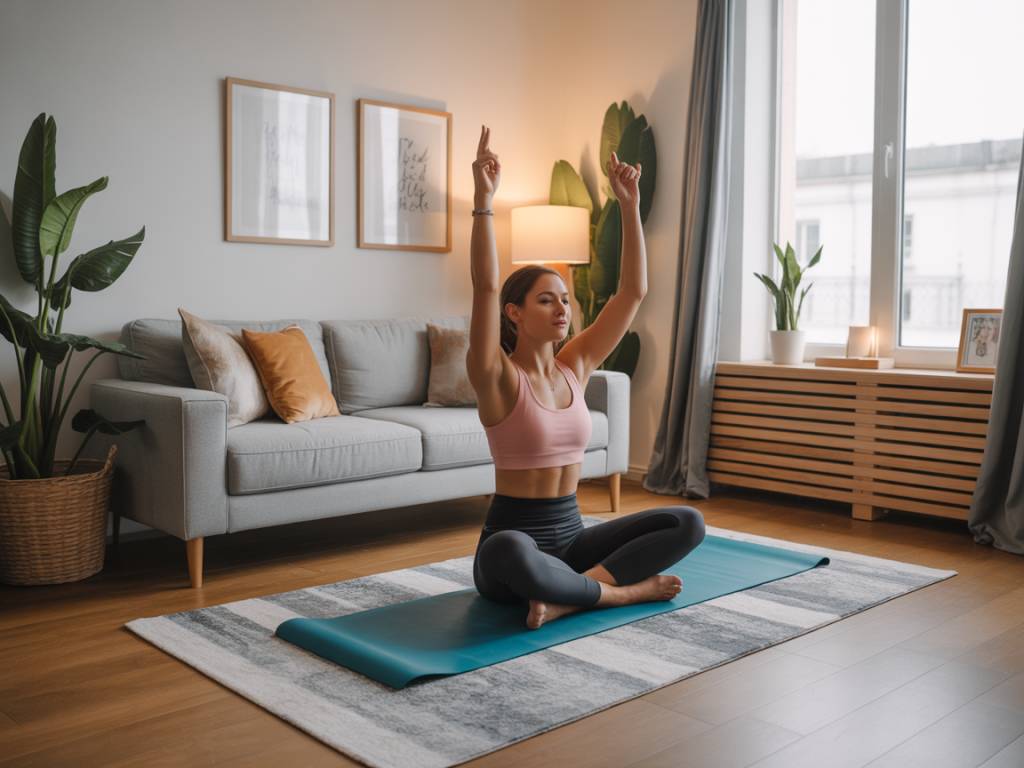
- Living room area: A versatile option for mobility work, yoga, and light active recovery sessions while still feeling part of the home’s main flow.
- Home office section: A small, defined zone with a mat and ergonomic chair can help you transition from work stress to short movement or mindfulness breaks.
- Balcony, terrace, or garden: Access to fresh air and natural light can significantly enhance the restorative effect of your routine.
Whichever spot you choose, try to keep it visually clean and associated only with recovery activities. Over time, your brain begins to link that physical space with rest and restoration, making it easier to relax when you step into it.
Essential Elements of a Recovery-Focused Home Space
Most recovery spaces combine four key elements: comfort, functionality, sensory calm, and accessibility. You can adapt the following components to your budget, preferences, and available space.
Creating a Comfortable Base: Flooring and Seating
The foundation of your recovery area starts under your feet. A soft, supportive surface encourages you to actually use the space for stretching, breathwork, or low-intensity mobility.
- Yoga or exercise mat: A high-density mat provides cushioning for joints, especially knees, hips, and spine. Look for non-slip surfaces and enough thickness if you plan to do longer floor sessions.
- Foam tiles or rug: Interlocking foam tiles or a low-pile rug can create a defined, comfortable zone in a corner of a room, especially if your floors are hard.
- Supportive chair or floor cushion: For meditation, reading, or journaling as part of mental recovery, an ergonomic chair or large cushion allows you to sit upright without strain.
Comfort does not mean you sink into the surface and fall asleep immediately. Ideally, you want supportive softness that still allows stable posture and controlled movement.
Tools for Physical Recovery and Mobility
Targeted recovery tools can help relieve tension, promote blood flow, and support joint health. Building a small “recovery kit” keeps everything close at hand so you are more likely to use it regularly.
- Foam roller: A staple in home recovery, helpful for myofascial release in the back, legs, and hips. Softer rollers suit beginners or very sore muscles, while textured models offer deeper pressure.
- Massage balls or lacrosse balls: These are useful for pinpointing tight areas in the shoulders, feet, and glutes that a foam roller cannot reach as precisely.
- Resistance bands: Light to medium bands are ideal for mobility drills, joint stability exercises, and gentle warm-ups on active recovery days.
- Stretching strap: A strap or even a long towel helps you safely hold stretches without straining, especially for hamstrings and shoulders.
- Compression gear: Compression sleeves or socks can be part of your home recovery routine when used after long runs, heavy leg workouts, or days spent standing.
You do not need every item at once. Starting with a yoga mat, a foam roller, and a light resistance band already covers a large part of most basic recovery work.
Lighting, Sound, and Scent: Setting a Calm Atmosphere
The sensory environment in your home recovery space has a strong influence on your nervous system. Calming inputs help shift your body from a “fight or flight” response to a more restful, parasympathetic state.
- Lighting: Use warm, soft light instead of bright overhead bulbs. A small lamp, salt lamp, or string lights can reduce visual stress in the evening. If possible, take advantage of natural daylight during morning mobility or stretching.
- Sound: Consider a small speaker or white noise machine. Many people find low-volume instrumental music, nature sounds, or guided meditations helpful during recovery sessions.
- Scent: Candles or essential oil diffusers with lavender, chamomile, or eucalyptus can create an association between specific scents and relaxation. Always ensure good ventilation and avoid scents that feel overpowering.
The goal is not to create a spa-level setting but to reduce stimulation compared with the rest of your home. Fewer screens, softer light, and quieter sounds make it easier to disconnect from daily demands.
Organizing for Routine: Storage and Visual Order
A well-organized space silently encourages consistent habits. If your foam roller is buried in a closet or your yoga mat is behind a pile of boxes, you are less likely to commit to a daily recovery practice.
- Visible storage: Use an open basket, wall hooks, or a small shelf to keep your most-used tools in sight but still tidy.
- Minimal clutter: Remove unrelated items—piles of paperwork, laundry, or electronics—from this area. Visual noise can increase stress and distraction.
- Dedicated zone: Even a single shelf or crate labeled for “recovery gear” reminds you that this is part of your health routine, not an afterthought.
When everything has a place, starting a five- or ten-minute recovery session becomes a frictionless decision rather than a logistical challenge.
Integrating Mental Health Practices
A recovery-focused home space is not only about muscles and joints. Your mental health benefits from having a specific environment for slowing down, processing emotions, and practicing mindfulness.
Useful additions for psychological recovery include:
- Journal and pen: Keeping a notebook in your space allows you to write down thoughts, track training feelings, or note sleep and mood patterns.
- Meditation cushion or chair: A comfortable seat dedicated to mindfulness, breathwork, or short mental breaks signals that this time is for you.
- Guided meditation apps or playlists: Using your phone in airplane mode or a small audio device, you can follow short sessions focused on relaxation, body scans, or gratitude.
- Calm visuals: A simple piece of artwork, a plant, or a photo that you find reassuring can serve as a focal point during breathing exercises.
Combining slow stretching with deep breathing and short reflections can transform your recovery corner into a powerful tool for emotional regulation and stress reduction.
Supporting Sleep and Nighttime Recovery
Sleep is often described as the most powerful recovery tool available, and your home environment plays a central role in sleep quality. If your recovery corner is in your bedroom, you have a unique opportunity to support better rest.
- Limit blue light: Keep screens out of your recovery zone at least 30 to 60 minutes before bed. Use warm lighting instead of bright white bulbs.
- Pre-sleep routine: A short ritual of stretching, foam rolling, or gentle breathwork signals to your body that it is time to transition toward sleep.
- Comfortable bedding: A supportive mattress and quality pillows that suit your sleeping position help your body recover from training stress.
- Temperature and air quality: Cooler rooms and fresh air generally support deeper sleep. A fan, air purifier, or simply opening a window can make a difference.
Over time, repeating the same relaxing behaviors in the same environment strengthens your sleep cues, making it easier to fall asleep and stay asleep—directly enhancing both fitness progress and mental health.
Building Daily and Weekly Recovery Rituals
Designing a recovery-focused home space is only the first step. The real impact comes from consistent use through simple, realistic routines.
Some examples of daily and weekly rituals include:
- Five minutes of mobility and deep breathing in the morning before checking your phone
- Short foam rolling sessions after strength training days
- A weekly “reset” session with longer stretching, massage tools, and guided relaxation
- Evening wind-down routine with light stretching, journaling, and soft music
- Periodic “digital detox” moments where your recovery space is strictly screen-free
By scheduling these mini-rituals just as intentionally as your workouts, you send a clear message that recovery is a central part of your fitness and mental health strategy, not optional extra credit.
Adapting Your Space Over Time
Your needs will change as your training load, work schedule, and personal circumstances evolve. A recovery-focused home space should be flexible. You may start with a simple mat and lamp in the corner of a bedroom and gradually add new tools, better lighting, or sound equipment as you learn what helps you the most.
Regularly reassessing how you feel in the space is useful. If it starts to feel cluttered, noisy, or associated with work tasks, take time to reset. Remove unnecessary items, refresh the layout, or adjust the lighting and sound. The most effective recovery environment is the one you are drawn to use, day after day.
By intentionally shaping a recovery-focused home space, you create a practical foundation for better fitness performance, more stable mental health, and a more sustainable approach to wellness overall.