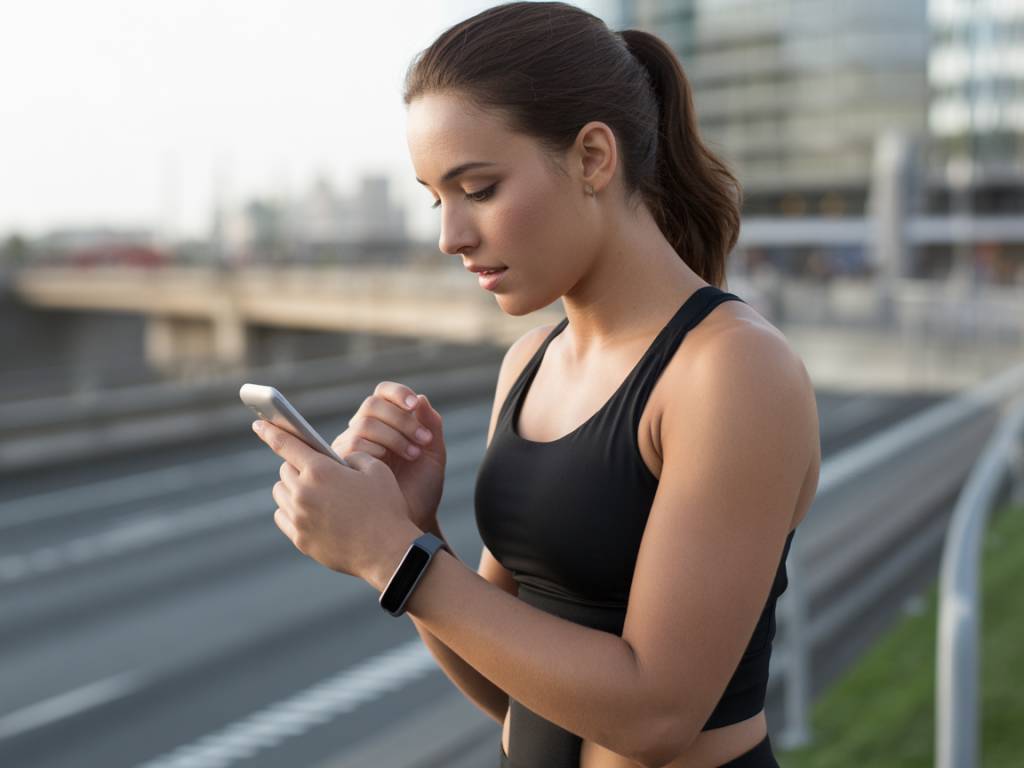
Wearable fitness technology has shifted from a niche gadget category to a mainstream health tool. Smartwatches, fitness trackers, connected rings, and even smart clothing are now part of everyday life. They count our steps, monitor our heart rate, track our sleep, and increasingly provide real-time insights into our overall health. As these devices become more accurate and more accessible, they are transforming how people track, understand, and manage their well-being on a daily basis.
From step counters to personal health dashboards
Early fitness wearables focused on basic activity tracking, mainly step counting and simple calorie estimation. Today’s devices have evolved into sophisticated health platforms that integrate multiple sensors and advanced algorithms.
Modern wearable fitness devices typically combine:
- Accelerometers to track movement and activity intensity
- Optical heart rate sensors to monitor pulse continuously
- GPS modules for distance, speed, and route tracking
- Gyroscopes and barometers for more accurate motion and elevation data
- Skin temperature and electrodermal sensors in more advanced models
Combined with cloud-based analytics and smartphone apps, these sensors turn a simple watch or band into a personal health dashboard. Users no longer just see how much they move; they get a detailed picture of how they sleep, respond to stress, and recover after workouts.
Daily activity tracking as a foundation for healthier habits
One of the most powerful effects of wearable fitness technology is its ability to turn abstract health advice into tangible, trackable goals. The familiar 10,000-steps target is a common example, but daily activity tracking now goes much further.
Key aspects of everyday activity monitoring include:
- Step count and distance: Encourages walking and reduces sedentary behavior.
- Active minutes or “zone minutes”: Tracks time spent at moderate or vigorous intensity to align with public health guidelines.
- Calories burned: Offers an estimate to help people understand their energy expenditure, particularly useful for weight management.
- Standing reminders: Hourly prompts to move help break up long periods of sitting, especially important for office workers.
For many users, this constant feedback loop nudges them toward incremental improvements. A short walk at lunch to close a ring, a few flights of stairs instead of the elevator, or a quick evening jog to hit a daily goal—these small choices accumulate into meaningful lifestyle changes over time.
Heart rate monitoring and cardiovascular insights
Continuous heart rate monitoring is one of the major advances in wearable fitness technology. Instead of occasional readings taken at rest, smartwatches and fitness trackers can monitor heart rate 24/7, offering a dynamic view of cardiovascular health.
Everyday heart rate metrics now available to consumers include:
- Resting heart rate: A lower resting rate over time may indicate improved fitness; sudden changes can signal fatigue, stress, or illness.
- Heart rate zones during exercise: Helps users train at the appropriate intensity for fat burning, endurance, or high-intensity interval training.
- Maximum heart rate estimates: Supports more individualized training plans.
- Heart rate variability (HRV) in some devices: A measure of variation between heartbeats, often used as an indicator of stress, recovery, and overall resilience.
Some devices also offer irregular rhythm notifications, potentially alerting users to patterns that could be associated with atrial fibrillation. While wearables are not medical devices in the strict sense, they increasingly act as early-warning systems that prompt people to seek professional medical advice when something seems off.
Sleep tracking and recovery: understanding rest as a health metric
Sleep used to be one of the least understood aspects of everyday health, largely because people had no way to measure it at home. Wearable fitness technology has changed that by making overnight tracking almost effortless.
Smartwatches, fitness bands, and even smart rings can analyze:
- Total sleep time and consistency across nights
- Sleep stages (light, deep, REM) through movement and heart rate patterns
- Sleep interruptions, such as frequent awakenings or restlessness
- Sleep quality scores, combining multiple metrics into a single indicator
These insights help users see the relationship between lifestyle choices and sleep quality. Late-night screen use, heavy meals, alcohol consumption, and stress can all be reflected in sleep data the next morning. Over time, people can experiment with different habits—earlier bedtimes, relaxation techniques, reduced caffeine—and see measurable effects on their sleep metrics and daytime energy levels.
Stress, readiness, and holistic health scores
As the hardware has improved, many wearable platforms have shifted from showing raw numbers to providing interpreted scores. Instead of just listing heart rate, sleep duration, and step count, they now offer composite metrics such as stress levels, “body battery,” or readiness scores.
These holistic indicators typically combine:
- Heart rate variability (HRV)
- Resting heart rate trends
- Recent sleep duration and quality
- Activity load, including intense workouts and daily movement
The result is a simple message: are you ready for a demanding workout, or would your body benefit more from recovery and lighter activity? This approach helps individuals move away from rigid training plans and toward more adaptive routines that respect their body’s signals.
Connected ecosystems and health apps
Wearable fitness devices rarely function in isolation. Their real power lies in the broader ecosystem of apps and connected services. Data from a smartwatch or activity tracker typically syncs to a smartphone app, where users can view trends, set goals, and compare different periods.
Common features of these connected ecosystems include:
- Long-term trend analysis for steps, sleep, and heart rate
- Goal setting with reminders and milestone notifications
- Challenges and social leaderboards for added motivation
- Integration with nutrition apps to combine intake and expenditure data
- Export of key metrics that can be shared with healthcare professionals
By centralizing this information, users get a more complete picture of their health behaviors. Instead of seeing fitness, nutrition, and sleep as separate topics, they begin to understand how these elements interact, influencing energy levels, mood, weight, and athletic performance.
The role of wearable fitness tech in chronic condition management
While many people use wearable devices for general wellness and fitness, a growing number rely on them to help manage chronic health conditions. Although these products are not substitutes for clinical devices, they can support everyday monitoring and provide useful context between medical appointments.
Examples of how wearables assist in chronic condition management include:
- Heart conditions: Tracking resting heart rate, activity intolerance, and irregular rhythms can help patients notice meaningful changes more quickly.
- Hypertension and cardiovascular risk: Some advanced wearables estimate blood pressure trends or at least provide cardiovascular fitness indicators, prompting lifestyle adjustments.
- Diabetes and metabolic health: While continuous glucose monitors are specialized devices, pairing them with general fitness trackers allows users to correlate blood sugar responses with activity, sleep, and stress.
- Mental health and stress-related disorders: Stress scores, sleep tracking, and HRV metrics can help individuals identify triggers and gauge the effectiveness of coping strategies.
For patients and caregivers, even simple metrics such as daily activity levels and sleep duration can offer valuable clues about disease progression, treatment side effects, or early signs of relapse.
Data privacy, accuracy, and limitations
Despite their benefits, wearable fitness devices also raise important questions about privacy, data security, and measurement accuracy. Continuous tracking generates large amounts of sensitive health-related data, often stored in company servers and shared with third-party apps.
Key considerations for users include:
- Data ownership: Understanding who can access and use the information collected by the device.
- Sharing settings: Controlling which friends, apps, or platforms see step counts, heart rate, and other metrics.
- Security measures: Choosing brands with clear, transparent privacy policies and strong encryption practices.
Accuracy is another important factor. While fitness wearables are generally reliable for trends and relative changes, they are not perfect. Step counts can be off, calorie estimates are often rough, and optical heart rate sensors may struggle during high-intensity exercise or with certain skin tones and tattoos.
For this reason, most experts recommend viewing wearable data as an informative guide rather than a precise clinical measurement. The value lies in patterns and long-term trends, not in single data points.
Choosing the right wearable for everyday health tracking
The growing variety of wearable fitness technology can make product selection challenging. The best choice depends on personal goals, preferred activities, budget, and how deeply someone wants to engage with health data.
Key criteria when comparing wearable fitness devices include:
- Primary use: General health tracking, serious sports, weight management, sleep optimization, or condition monitoring.
- Sensor set: Heart rate monitoring, GPS, HRV, SpO2, skin temperature, and others as needed.
- Battery life: Essential for those who plan to track sleep and all-day activity without frequent charging.
- Comfort and design: A device worn around the clock should be comfortable, discreet, and suited to daily style.
- App quality: Clear data visualization, helpful insights, and stable syncing can make the difference between occasional use and lasting engagement.
- Compatibility: Seamless integration with existing smartphones, health apps, and operating systems.
Consumers who are primarily interested in everyday health tracking may prioritize ease of use, automatic detection of activities, and simple, digestible insights over highly technical data or advanced training features.
How wearable fitness technology is shaping future health behaviors
As wearable fitness technology becomes more deeply integrated into daily routines, it is gradually changing how people think about health. Instead of relying solely on occasional medical check-ups or subjective feelings, individuals now have continuous streams of information about their bodies.
This shift has several long-term implications:
- More proactive health management: Subtle changes in resting heart rate, sleep quality, or daily activity patterns can prompt earlier adjustments in lifestyle or encourage timely consultation with healthcare professionals.
- Personalized wellness strategies: Rather than following generic advice, users can test what works best for them and confirm improvements through objective metrics.
- Greater health literacy: Everyday interaction with concepts such as HRV, sleep stages, and training load increases public understanding of how the body responds to stress, exercise, and rest.
- Integration with digital health systems: Over time, interoperability between consumer wearables and electronic health records may enable more precise and continuous monitoring of at-risk populations.
Ultimately, wearable fitness technology is transforming everyday health tracking from a passive, occasional activity into an ongoing, interactive process. By putting real-time data and accessible analytics directly on the wrist or finger, these devices encourage people to engage with their health in small but consistent ways, day after day.