


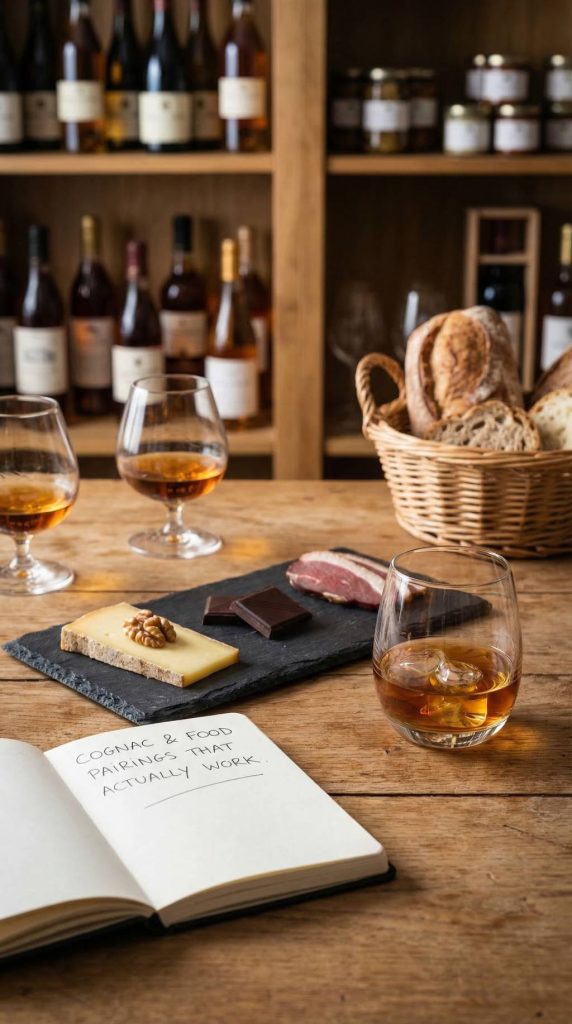
Why Food Pairings with Cognac Matter
Cognac is too often seen only as a digestif, sipped neat at the end of a meal. That reputation is deserved, but it also hides a huge opportunity: pairing cognac thoughtfully with food can create some of the most layered, luxurious tasting experiences you’ll ever enjoy. The key is to understand the structure of the spirit—its fruit, spice, oak and floral notes—and match them with textures and flavors on the plate.
Whether you’re planning a dinner party, building a tasting menu, or simply looking to enjoy a glass at home with a snack, choosing the right food will transform both the drink and the dish. Below, you’ll find practical, test‑driven pairings that actually work, organized by style of cognac and by course.
Understand Your Cognac Before Pairing
Not all cognacs behave the same way at the table. The age and style influence aroma intensity, sweetness, structure, and how well it stands up to bold flavors. As a quick guide:
- VS (Very Special) – Typically 2–4 years old. Brighter, more fruit‑forward, with notes of fresh grape, citrus, green apple, white flowers and light vanilla. Great for casual pairings and cocktails with food.
- VSOP (Very Superior Old Pale) – Often 4–10 years old. More depth: ripe stone fruits, honey, toasted oak, baking spices. Very versatile at the table.
- XO (Extra Old) and beyond – 10+ years. Dense, complex, layered with dried fruits, candied orange, roasted nuts, leather, cigar box, dark chocolate. Best paired with richly flavored or very simple, high‑quality foods.
As a rule of thumb, lighter styles work best at the beginning of a meal, while more mature spirits shine with cheese and dessert or as a slow, contemplative final glass.
Classic Cheese Pairings That Never Disappoint
If you try just one food pairing with cognac, make it cheese. The combination of fat, salt, and umami in cheese is a natural bridge to the spirit’s fruit and oak notes.
Soft and bloomy cheeses (Brie, Camembert, triple‑crème)
The rich, buttery texture of soft cheeses loves the gentle warmth and vanilla notes of a VSOP:
- A rind‑ripened Brie with a mid‑range VSOP brings out almond and hazelnut notes in the spirit.
- Triple‑crème cheeses amplify the honeyed side of oak‑aged brandies without overwhelming them.
Blue cheeses (Roquefort, Stilton, Gorgonzola dolce)
Blue cheese and XO is a powerful pairing that converts skeptics:
- The salty, tangy intensity of blue cheese contrasts with the sweetness and fruitcake notes in older cognacs.
- Crumble a little Roquefort on toasted brioche, drizzle with honey, and sip a small pour of XO for a restaurant‑level experience at home.
Hard, aged cheeses (Comté, aged Gouda, Manchego)
These cheeses develop nutty, caramelized flavors that mirror the toasted oak and dried fruit in VSOP and XO:
- 24‑month Comté highlights hazelnut, brown butter, and hay notes in the spirit.
- Aged Gouda with its crystalline texture and toffee aroma pairs beautifully with mature expressions.
Seafood Pairings: Lighter Cognacs, Delicate Preparations
Seafood can be a surprising partner when you focus on gentle cooking methods and bright sauces. The aim is to echo the spirit’s fruit and floral notes without overshadowing them.
Shellfish and crustaceans
- Seared scallops with citrus butter – The sweetness of scallops and a lemon‑infused butter sauce match wonderfully with a chilled VSOP. The citrus connects with the spirit’s orange peel notes.
- Lobster with vanilla or saffron cream – Rich, aromatic sauces bridge to the vanilla and spice of oak aging. A VSOP with good structure stands up to the cream.
- Oysters with a mignonette reduction – For adventurous palates, a drop of cognac in the mignonette (shallot and vinegar) creates a saline, briny, and fruity interplay.
Delicate white fish
Opt for simply prepared dishes: poached, steamed, or lightly grilled.
- Cod or halibut with fennel and orange – The aromatic fennel and citrus mirror floral and fruit notes, especially in younger expressions.
- Sole meunière – Brown butter, lemon, and parsley give enough richness and brightness to interact well with a light VS or VSOP.
Meat Dishes That Shine with Cognac
Meat pairings benefit from the spirit’s ability to cut through fat while adding nuanced sweetness and spice. Roast, braise, or grill—just keep sauces in mind, because they often determine whether the match works.
Poultry and game birds
- Roast chicken with herbs – A classic, herb‑roasted chicken with crispy skin and pan juices pairs beautifully with VSOP. Thyme, rosemary, and garlic speak to the spirit’s herbal undertones.
- Duck breast with orange or cherry sauce – Duck’s richness and fruit‑based sauces are tailor‑made for pairing. The orange or cherry flavors echo the brandy’s citrus and red fruit notes.
- Game birds (pheasant, quail) – Earthy flavors and darker meat call for a more mature VSOP or a younger XO.
Red meats
Heavy, charred steaks can overpower more delicate spirits, but with the right cut and preparation the pairing can be spectacular.
- Beef tenderloin with peppercorn sauce – The creamy, peppery sauce is a natural fit for the warm spice and subtle heat of VSOP.
- Lamb with rosemary and garlic – Lamb’s slight gaminess and herb crust complement the earthy, woody notes of older bottlings.
- Slow‑braised short ribs – The deep, caramelized flavors of braised beef shine alongside an XO, especially if the braising sauce includes a splash of cognac.
Elevating Everyday Foods: Casual but Reliable Pairings
Food pairings with cognac do not have to be intimidating or reserved for fine dining. Some of the most satisfying combinations are surprisingly simple.
Charcuterie and pâtés
- Country pâté and rillettes – The rich, fatty texture loves the spirit’s acidity and warmth. A VSOP cuts through the fat and enhances the meat’s savory depth.
- Dry‑cured hams (Prosciutto, Bayonne, Serrano) – Salty, nutty, and slightly sweet, these hams mirror caramelized and dried fruit notes in the glass.
- Smoked sausages – Their smoky profile pairs well with the subtle oak smoke and spice of barrel aging.
Nuts and simple snacks
- Toasted almonds or walnuts – A classic bar snack that amplifies nutty, marzipan notes, especially in older expressions.
- Dark chocolate‑covered nuts – Both the cocoa and the nut complement deeper, more complex spirits like XO.
- Lightly salted potato chips – Unexpected but addictive. Salt and crunch reset your palate between sips.
Gourmet burgers
A well‑constructed burger (good beef, aged cheese, caramelized onions, brioche bun) can pair wonderfully with a robust VSOP:
- The char on the patty matches toasted oak.
- Caramelized onions echo sweetness and spice.
- Aged cheese adds umami that amplifies depth in the glass.
For those who want to explore producers and styles, discovering a high‑quality cognac and tasting it against different foods is a practical way to understand what truly works for your own palate.
Desserts That Truly Work with Cognac
Dessert is where cognac most naturally feels at home. Matching sweetness levels is crucial: too sugary a dessert can make the spirit feel thin or harsh, while the right dish will reveal layers of fruit, spice, and cocoa.
Chocolate desserts
- Dark chocolate fondant or lava cake – High‑cocoa chocolate (70% and above) marries well with XO. The bitterness and richness prevent the pairing from becoming cloying.
- Chocolate truffles – Especially those with hazelnut, coffee, or orange ganache fillings. Each of these flavors resonates with notes often found in mature brandies.
- Flourless chocolate torte – Intense, dense chocolate amplifies the dried fruit and spice of long‑aged spirits.
Fruit‑based desserts
- Poached pears in spice syrup – Pears poached with cinnamon, vanilla, and star anise are tailor‑made for VSOP or XO. They highlight orchard fruit notes and baking spices.
- Tarte Tatin – Caramelized apples, butter, and pastry match the toffee, apple, and vanilla profile in many bottlings.
- Orange or citrus cakes – Orange zest and candied peel bring out the spirit’s candied citrus side.
Custards and creamy desserts
- Crème brûlée – The caramelized sugar crust and creamy vanilla center connect directly with oak‑derived vanilla and caramel in the glass.
- Panna cotta with berry coulis – Simple, gently sweet cream with tart berries provides contrast, letting the drink’s complexity take center stage.
- Bread and butter pudding – Especially when made with brioche or croissants and raisins. The toasted, buttery, raisin‑filled bites echo fruitcake notes in older bottlings.
How to Serve Cognac with Food
Perfect pairings depend not only on what’s in the glass, but also how it’s served. A few adjustments can dramatically improve the experience.
Temperature
- Lightly chilled VS and VSOP (around 16–18°C / 60–64°F) can feel fresher and more precise with savory dishes, especially seafood and salads.
- Cellar‑cool XO (18–20°C / 64–68°F) preserves delicate aromas while still allowing complexity to unfold.
Glassware
- Use a small tulip‑shaped glass rather than a very large balloon. Tulip glasses concentrate aromas, making them easier to pinpoint alongside food.
- Pour modest servings (20–30 ml) when pairing with a multi‑course meal so the alcohol level doesn’t overwhelm your palate.
Serving style
- Neat – Ideal with cheese and dessert, and for appreciating fine nuances in older spirits.
- With a few drops of water – Can open up aromas and soften the attack, especially useful with spicier foods.
- In cocktails – Highballs and simple stirred drinks can work brilliantly with snacks and lighter dishes.
Cocktails and Food: Easier Entry Points
If straight spirits feel intimidating at the table, start with cocktails. Their lower alcohol and added ingredients make pairing more forgiving.
Cognac highball (cognac + soda + lemon twist)
- Pairs with fried chicken, tempura, light tapas, or salty snacks.
- Effervescence cuts through fat while citrus and fruit notes refresh the palate.
Sidecar (cognac, triple sec, lemon)
- Excellent with fried seafood or fish tacos, thanks to its bright acidity.
- Also pairs nicely with goat cheese salads or citrus‑based starters.
Old‑fashioned style cognac cocktail
- Bitters and a touch of sugar build a bridge to roasted meats, charcuterie, and stronger cheeses.
- This style works well throughout a meal, especially if you prefer sticking to one drink.
Pairing Tips: Making It Work Every Time
Instead of memorizing endless combinations, learn a few guiding principles that you can apply to any bottle you open.
- Match intensity – Delicate dishes with lighter, younger spirits; robust, richly flavored foods with older, more complex expressions.
- Consider sweetness – Desserts should generally be less sweet than the aromas perceived in the glass, or at least not markedly sweeter.
- Use texture as a guide – Fatty, creamy, and rich foods embrace the warmth and structure of the spirit; leaner dishes benefit from lighter styles or cocktails.
- Look for flavor bridges – Caramel, vanilla, spice, nuts, dried fruits, and citrus in the dish will often link beautifully.
- Keep portion sizes small – Especially with stronger spirits, modest pours help preserve your palate and your sense of balance throughout the meal.
With a bit of curiosity and a willingness to experiment, food pairings with cognac turn from a vague idea into a reliable tool for elevating both your meals and your appreciation of the spirit itself. Start with simple combinations—cheese and nuts, a fruit dessert, a carefully chosen piece of chocolate—and build from there. Over time, you’ll learn which styles you prefer with which foods, and your table will benefit from one of the most rewarding, underused pairings in the world of gastronomy.